
Pollinators Connect Us
SCHEDULE | SESSION DESCRIPTIONS | SPEAKER BIOS
November 19th & 20th, 2026 | 8am-5pm | Williams Village, CU Boulder
Schedule
-
8:00am—8:40 am — Registration & check-in, visit exhibitor tables.
8:40am—8:45 am — Call to order and brief logistics from Amy Yarger, Senior Director of Horticulture at Butterfly Pavilion
8:45am—9:00am — Welcome from Dr. Adrian Carper, Pollinator Conservation Program Manager at Colorado Parks & Wildlife, and Dr. John Mola of the Mola Lab and Colorado State University’s Department of Forest and Rangeland Stewardship
9:00am—10:00am — Keynote Session: “How Pollinators Connect People and Landscapes for a Better World,” with Scott Black, Executive Director of The Xerces Society for Invertebrate Conservation
10:00am—11:00am — Panel: “Pollinators as Connectors: Advancing One Health through Conservation that Bridges Human Health, Animal Health, Agriculture, and Ecosystem Stewardship”
Dr. Nikita Habermehl, Pediatric emergency medicine physician at Children's Hospital Colorado; Assistant Professor at the University of Colorado School of Medicine; Board Chair of Healthy Air & Water Colorado
Jordan Beezly, Deputy Commissioner of External Affairs for the Colorado Department of Agriculture
Dr. Adrian Carper, Pollinator Conservation Program Manager for Colorado Parks and Wildlife
11:00am—11:15am — Bio Break!
11:15am—11:35am — Spotlight: “Moth pollination and diversity throughout Colorado’s Rocky Mountains and neighboring ecoregions” with Christian Couch, PhD candidate in the St. Laurent Lab; CU Museum of Natural History
11:35am—12:00pm — Interactive session: Audience polling, network updates, and prizes!
12:00pm—1:00pm — Lunch in the Williams Village dining hall
1:00pm—1:15pm — Expert session: The Bees of Colorado Update with Virginia L. Scott, Collections Manager of Entomology, CU Museum of Natural History
1:15pm—2:15pm — Future Leaders Part I: Student lightning talks on cutting-edge pollinator research
“Effects of Pinyon-juniper Mastication Treatments on Bumble Bee Communities” with Eliza Cash, Master's student at Colorado State University, Pueblo
“When honey bees move in: Reproductive tradeoffs for native cavity-nesting bees sharing resources with introduced honey bees in Colorado public forests” with Nicki Bailey, Graduate Research Assistant, PhD Student in Ecology at Colorado State University; The Mola Lab
“Satellites to species conservation: Climate and habitat stressors on the endangered Uncompahgre Fritillary” with Dani Laird, Technician on the Species Conservation of Invertebrates and Rare Plants team; Colorado Parks and Wildlife
2:15pm—2:30pm — Stretch break!
2:30pm—3:30pm — Expert session: “Current Issues in Beekeeping” with Shelli Quattlebaum, Colorado Department of Agriculture’s Specialist and National Honey Bee Survey representative; Colorado State Beekeepers Association Advisor; Owner of Hops and Honey Colorado
3:30pm—4:15pm — Future Leaders Part II: Student lightning talks on cutting-edge research
“Viruses in the honey bee ecosystem” with Lincoln Taylor, PhD student in Ecology and Evolutionary Biology at the University of Colorado Boulder
“Smaller and fewer bees: Neonicotinoid exposure and low food abundance interact to harm metrics of bumble bee reproduction” with Hannah Burke, PhD Student in the Graduate Degree Program in Ecology, Colorado State University; The Mola Lab
“Honeybee Health in Colorado: Beekeeper Perspectives, Veterinary Engagement, and Environmental Hazards” with Gabrielle (Gabby) Cummings, DVM candidate at Colorado State University College of Veterinary Medicine
4:15pm—4:30pm — Interactive session and closing remarks
4:30pm—5:00pm — Visit exhibitor tables & networking
-
8:00am—8:45am — Registration & check-in, visit exhibitor tables
8:45am—9:00am — Welcome with Dr. Adrian Carper, Pollinator Conservation Program Manager at Colorado Parks & Wildlife
9:00am—10:00am — Keynote Session: “Runaway trolleys and pollinator conservation” with Dr. John Mola of the Mola Lab and Colorado State University’s Department of Forest and Rangeland Stewardship
10:00am—10:10am — Bio Break!
10:10am—11:10am — Expert session: “Seasons in Motion: Climate Change and the Future of Plants, Pollinators, and Local Biodiversity” with Asia Kaiser, Ph.D. candidate in the Resasco Lab at CU Boulder, and Paul Alaback, Colorado Native Plant Society and professor emeritus at the University of Montana
11:10am—12:10pm — Panel: “Organic Turf Management: Protecting Pollinators, the Environment and the Public”
Chip Osborne, President of Osborne Organics and Founder of the Organic Landscape Association
Vanessa Armstrong, Consultant and Project Manager of Osborne Organics
Cynthia Mattson, The City of Golden Senior Parks Technician
Aaren LeMieux, City of Boulder Sports Field and Parks Supervisor
12:10pm—1:10pm — Lunch in the Williams Village dining hall
1:10pm—1:30pm — Spotlight: Darwin’s Bee Dogs with Jacqueline Stabb, Ecologist and Founder of Darwin’s Bee Dogs
1:30pm—2:30pm — Walking Workshops: Attendees rotate among brief interactive demonstrations from local organizations
Insect identification to family level
Beekeeping best practices
Pests in pollinator habitats
Plant propagation techniques
Habitat garden design lab
Plant this, not that
Stewardship in urban pollinator corridors
2:30pm—2:45pm — Stretch break!
2:45pm—3:45pm — Panel: “Managing Land in an Era of ‘All of the Above’: Climate Change, Community Resilience, and Pollinators”
Nicki Bailey, Graduate Research Assistant, PhD Student in Ecology at Colorado State University; The Mola Lab
Lindsay Nerad, Water Efficiency Specialist at Northern Water
Tony Auciello, Vegetation Stewardship Supervisor for Jefferson County Parks & Open Space
Lucas Buscher, Urban Ecology Planner at City of Denver
3:45pm—4:45pm — Closing Keynote: “From the Arctic to the Andes: The Surprising Story of America's Bumble Bees and How We Can Help Them Thrive” with Clay Bolt, Award-winning native bee photographer and Manager of Pollinator Conservation and Great Plains Communications at World Wildlife Fund
4:45pm—5:00pm — Closing remarks

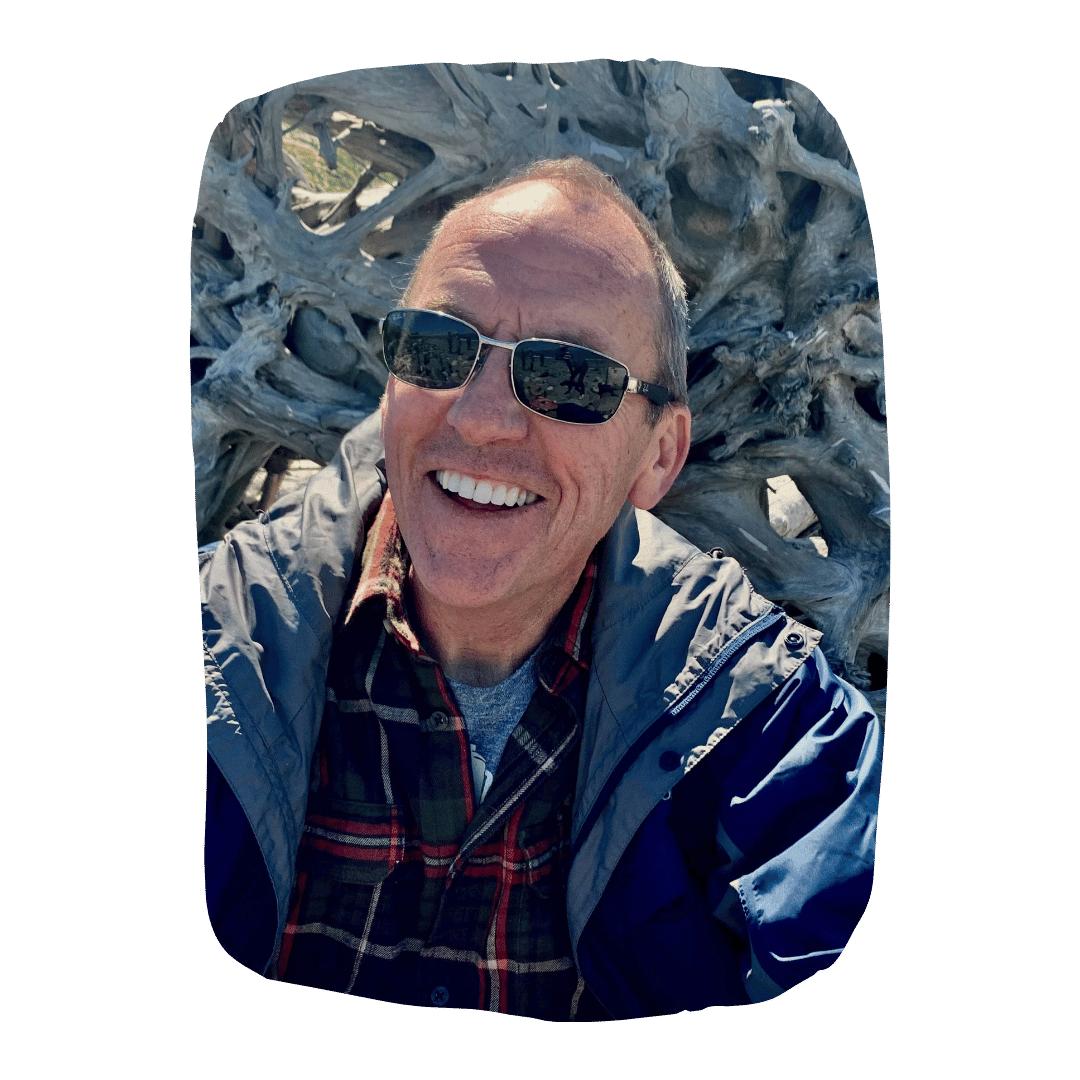
Thursday Keynote: How Pollinators Connect People and Landscapes for a Better World
Session Description
Pollinators come in all shapes and sizes—from beetles to bats, bees and butterflies to hummingbirds. These animals are vital for ecosystems across globe. Deserts, wet meadows, forests, farms, parks, and gardens all need pollinators to thrive. Thanks to their coevolution with plants, pollinators connect species over space and time. Additionally, pollinators connect people to the landscapes where they live—and connect people with a shared interest—they provide an important vehicle for helping us conserve the planet and stay healthy. Scott will discuss how we all can help pollinators connect people and landscapes, support healthy food webs, inspire community conservation, and tie human well-being directly to the health of the environment—all to help pollinators and we humans who need them to survive.
Speaker Bio
Scott Black is an internationally known conservationist who has been at the forefront of the conservation movement for over three decades. He is executive director of the Xerces Society for Invertebrate Conservation, which under his leadership has become the premier invertebrate conservation organization in North America.
Scott’s work has led to protection and restoration of habitat on millions of acres of rangelands, forests, and farmland as well as protection for many endangered species. He is an author of the best-selling Gardening for Butterflies and Attracting Native Pollinators and has written more than two hundred other publications. His work has been honored with several awards, including the 2011 Colorado State University College of Agricultural Sciences Honor Alumnus Award, the U.S. Forest Service Wings Across the Americas 2012 Butterfly Conservation Award and the 2019 Wings Across the Americas International Research Partnership Award.
Scott serves on the advisory council of the Center for Regenerative Solutions which is accelerating the implementation of regenerative, nature-based climate solutions in cities and also serves on the Trinational Monarch Science Partnership — a partnership of federal agencies and scientists from Mexico, the United States, and Canada which works to understand and conserve monarch butterflies across North America.
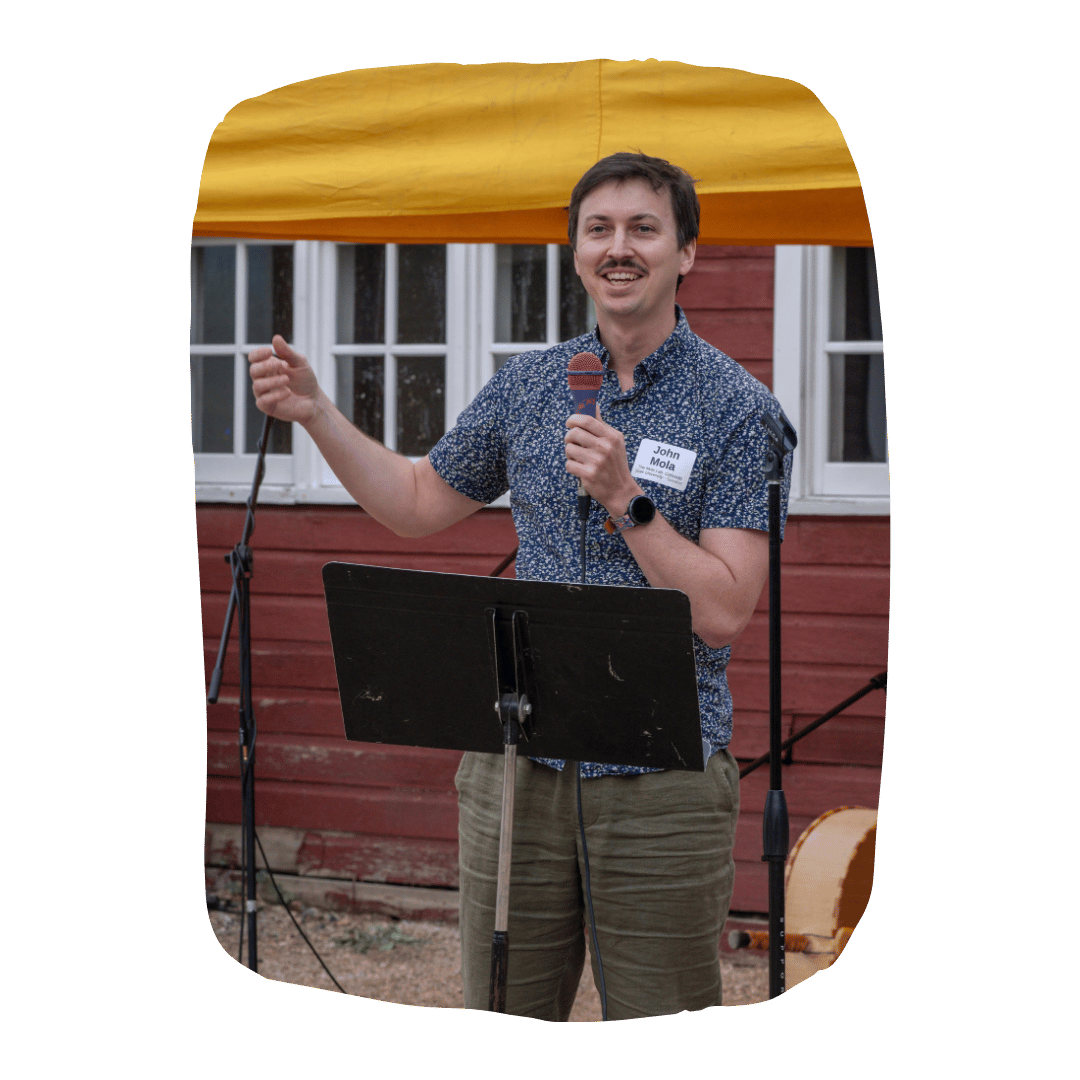
Friday Keynote: Runaway trolleys and pollinator conservation
Session Description
Much to my displeasure (and likely those attending this summit) the primary focus in urban planning is not the construction of uninterrupted, high-quality habitat for insect pollinators. As such, the urban landscape filters insect communities incidentally. Widespread, generalist species benefit while specialists disappear and pollinator communities become simplified. Despite these challenges, cities are also places where opportunities for pollinator conservation may be most acute. Parks, yards, and other urban green spaces can be managed to reflect the interests of humans and needs of pollinators - but whether and how to intervene presents difficult trade-offs in who wins and who loses when habitat is “restored”. In this keynote, we’ll spend some time exploring how research on the classical ethical thought experiment, "the trolley problem”, can inform decision making in where and what kind of pollinator-oriented restoration we pursue.
Speaker Bio
John Mola is an assistant professor of Forest and Rangeland Stewardship with a particular focus on pollinators, conservation and ecology. The Mola Lab is working to find solutions for insect and pollinator declines, including bees, butterflies and other beneficial insects.
Most recently published in BioScience and the Proceedings of the National Academy of Sciences, Mola and his co-authors explore and explain how important forests are to bumble bees, how they’re being overlooked in conservation planning, and the impact of climate, land cover and pesticides that will likely result in the loss of the species in its historic range by the end of the century.
Mola was a first-generation student, earning his bachelor’s degree in geography at Florida State University, his master of Biology at Humboldt State University and his Ph.D. in ecology at the University of California, Davis.
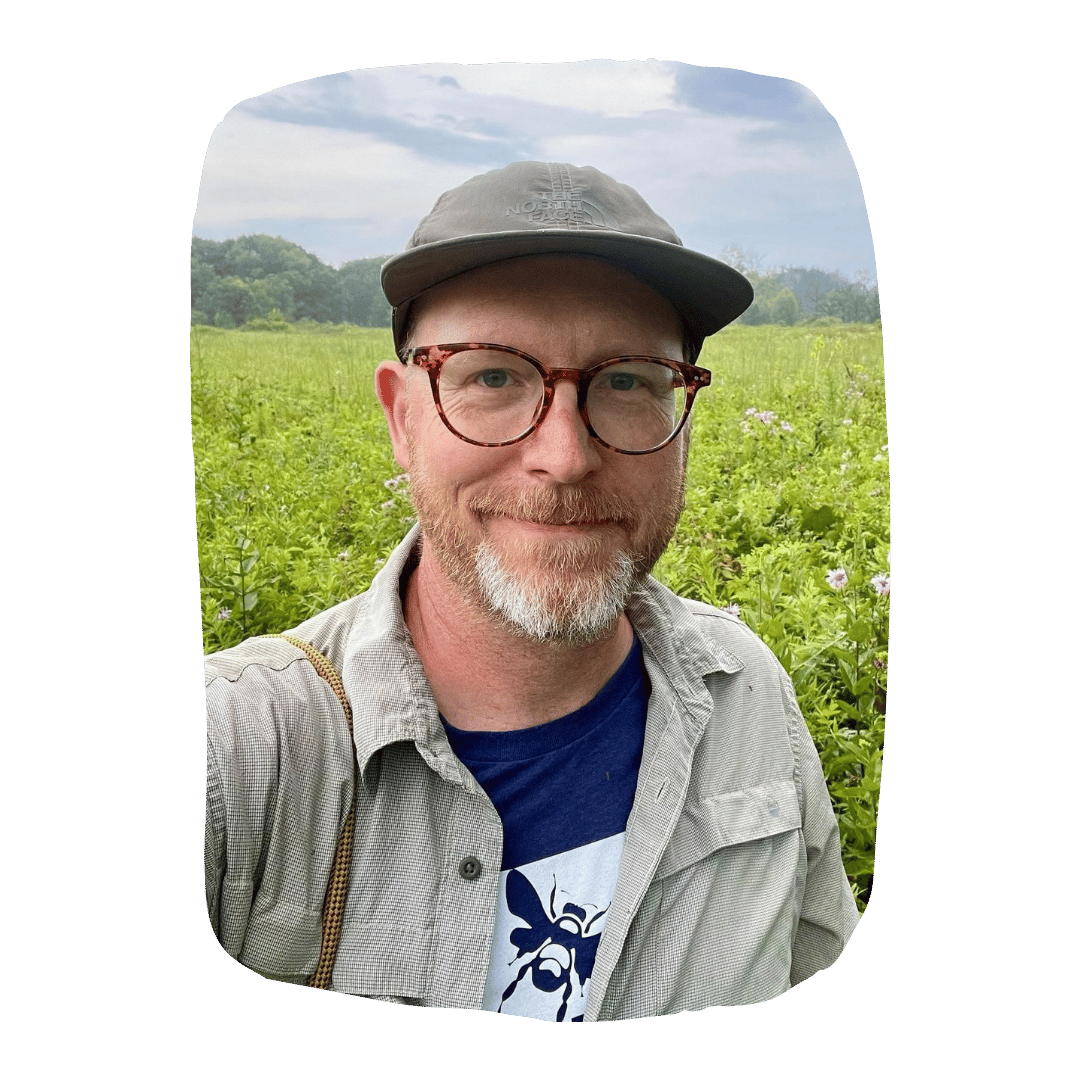
Friday Closing Keynote: From the Arctic to the Andes: The Surprising Story of America's Bumble Bees and How We Can Help Them Thrive
Session Description
More than 130 million years ago, before the first flower bloomed, tiny predatory wasps began visiting blossoms in search of prey. Their descendants, the bees, went on to shape the natural world as we know it. After a decade of photographing nearly all of the roughly ninety bumble bee species of the Americas, conservation photographer and author Clay Bolt will share the stories behind the images, from the Arctic tundra to the high Andes and Patagonia. Drawing on his two forthcoming books and his work leading pollinator conservation at World Wildlife Fund-US, including efforts to reduce pesticides and restore pollinator habitat, he will show what is at stake as these species decline. But this is not a talk about despair. It is a call to action, and a reason for hope. Every yard planted with native wildflowers, every patch of nesting habitat left undisturbed, every sighting reported, and every pesticide free plant helps write a better future for these remarkable bees.
Speaker Bio
Clay Bolt is a conservation photographer and pollinator advocate based in Livingston, Montana — home to more bumble bee species than any other state. Best known for capturing the first-ever photographs of a living Wallace's Giant Bee in 2019, he also helped secure Endangered Species Act protection for the rusty-patched bumble bee. As Manager of Pollinator Conservation for World Wildlife Fund-US, Clay uses photography as a tool for action. He is currently traveling from the Arctic to Patagonia to document every bumble bee species in the Americas for two forthcoming books with Cornell University Press/Zona Tropical and Princeton University Press.


Thank you to our 2026 Summit Sponsors!
Premier 2026 Sponsors


Gold 2026 Sponsors

Silver 2026 Sponsors




Bronze 2026 Sponsors



2026 Pollinator Friends & Exhibitors


To sponsor the 2024 Colorado Pollinator Summit please reach out to us at connect@coloradopollinator.network.